
She arrives happy. She's lost twenty kilos, she feels more energetic, her doctor is pleased with her blood sugar levels. And then, almost in passing, while we're examining her mouth, she mentions it: "Doctor, lately my mouth has been feeling very dry… could that have something to do with it?".
Yes, it does. And we're seeing it more and more often.
Quick answer: Ozempic (semaglutide) can cause dry mouth—what we clinically call xerostomia—and although not all patients develop it, when it does appear, it completely changes the balance in your mouth. Saliva isn't just water: it constantly protects, cleans, and repairs your teeth. When it decreases, the risk of cavities, bad breath, infections, and discomfort when speaking or swallowing goes up. The good news is that all of this can be prevented if you know what's happening and act in time.
This isn't an article to scare you or to make you stop your treatment. It's so that, if you're losing weight with Ozempic, your smile doesn't pay the bill in silence.
1. The patient loses 20 kilos and arrives happy, but their mouth tells a different story
In recent years, the number of patients coming to the office taking semaglutide—the active ingredient in Ozempic, Wegovy, and others—has skyrocketed. And with them, a recurring pattern: a mouth noticeably drier than normal, sometimes with cavities appearing in teeth that had been healthy for years.
On social media, they've already given it a name: "Ozempic mouth" or "Ozempic teeth," just like they talked about "Ozempic face" before. And although part of that is viral exaggeration, there is a real clinical phenomenon beneath the noise. The important thing is to separate one thing from the other: it's neither the catastrophe that some TikTok videos portray, nor is it an invented myth. It's a manageable side effect, as long as you know about it.
What I can tell you from the chair is this: the patient who knows this can happen and prevents it almost never has problems. The one who had no idea is the one who shows up months later wondering why, suddenly, their mouth feels different.
2. Xerostomia: the side effect almost no one warns you about
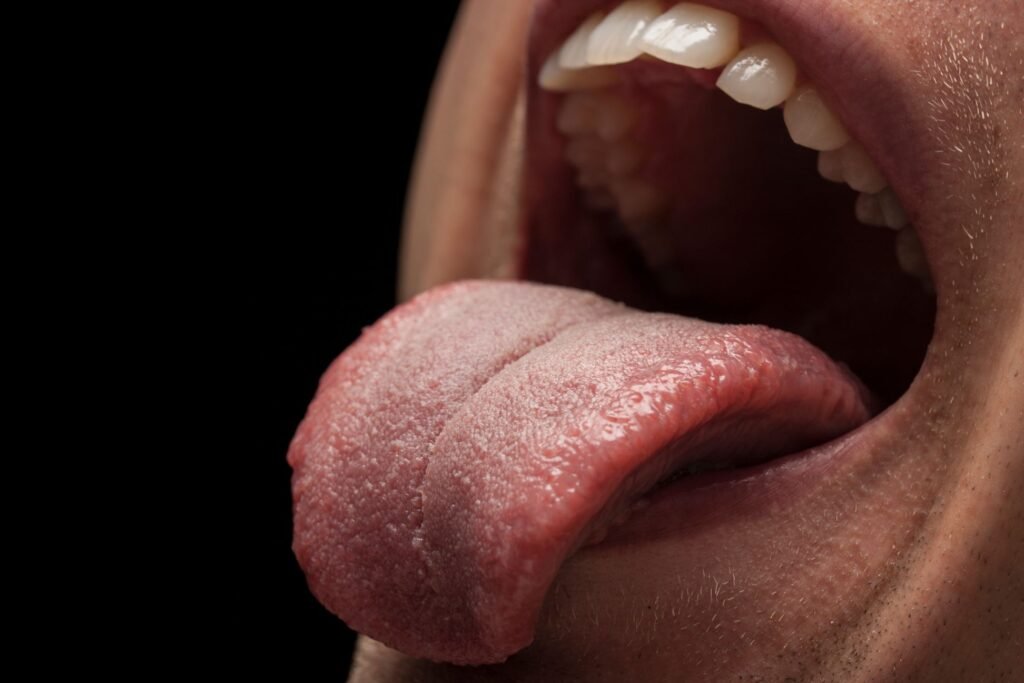
Let's put a name and face to what's happening.
Ozempic produces several adverse effects, and one of them is xerostomia: reduced salivation. It doesn't always mean that your salivary glands are producing measurably less saliva—sometimes the actual flow doesn't decrease that much—but the feeling of dry mouth is very real for those who experience it. And for practical purposes, that feeling already changes how your mouth behaves.
Why does it happen? The mechanism isn't that the medication directly attacks your teeth. Semaglutide acts on receptors in the GLP-1 system that also influence the body's fluid regulation, and added to that, by eating and drinking less, and sometimes with some nausea, the body remains less hydrated. The combined result is that persistent dryness that so many patients describe.
Here's an honest nuance that alarmist content usually skips: the scientific evidence is still mixed. In fact, a large study published in 2025, with over nineteen thousand people with type 2 diabetes, observed fewer dental problems in those using GLP-1 treatments compared to other treatments—probably because better blood sugar control also protects the gums. In other words: the drug doesn't "ruin teeth" on its own. The real risk lies in the dryness and what that dryness triggers if not cared for.
3. Why saliva is worth much more than you think
This is the point I want you to take away from the entire article, because when you understand what saliva does, you understand why its absence matters so much.
Saliva is fundamental for the nutrition of the tooth and for autolysis, which is the natural oral cleaning of your mouth. It's not a passive liquid: it's a maintenance system that works twenty-four hours a day without you noticing. And it does at least four critical things.
Saliva is your natural cleaning and repair system
First, it remineralizes enamel: it constantly returns calcium and phosphate to it that the acids of the day remove, repairing micro-damage before it becomes a cavity. Second, it sweeps away bacterial plaque to a certain extent, dragging away food debris and bacteria—that's autolysis. It's literally your mouth's self-cleaning system.
Saliva is your shield against acids.
Third, it buffers the action of acids on the teeth, neutralizing the pH after each meal so that the enamel doesn't dissolve. And fourth, it lubricates tissues, keeping the mucosa, tongue, and throat comfortable.
Now imagine that maintenance, cleaning, and repair system slows down just when you need it most. That's exactly what happens with xerostomia.
4. What appears when saliva disappears
When there isn't enough saliva, the mouth is left unprotected—and problems that the body used to keep at bay start to appear, one by one.
- Higher risk of cavities, because remineralization and acid neutralization that protected the enamel are lost. They even appear in unusual areas, like the neck of the tooth.
- Halitosis (bad breath), because without the natural sweeping action of saliva, bacteria accumulate and release malodorous compounds. It's the famous "Ozempic breath."
- Difficulty speaking, because the dry, unlubricated tissues make the mouth feel pasty.
- Difficulty swallowing, because without saliva it's harder to form the food bolus and swallow comfortably.
- Oral candidiasis, because the dry mucosa becomes susceptible to candida proliferation—a fungus that saliva helps control in a healthy mouth.
To this, some patients add changes in taste—a metallic or bitter taste—and increased dental sensitivity. None of these symptoms are cause for panic, but they are all signs that your mouth is asking for extra support.
5. The honest balance: Ozempic helps, but it's not free for your mouth
This is where I want to be completely transparent with you, because I believe you deserve the full story, not just the half that's convenient.
Ozempic does have many real benefits: it helps with weight loss and blood sugar control, and that improves the lives of many people. But, like any medication, it also has other effects that aren't good in the long term. And dry mouth is one of them.
This is not a reason to stop your treatment—that's a decision for you and your doctor, never for an article or your dentist. It's, rather, an invitation to treat it like you would any important health decision: informed, with your eyes open, and with a plan to take care of the parts that the medication doesn't take care of for you. Just as in other dental topics we insist that prevention always costs less than repair, the same applies here: anticipating costs much less than correcting a mouth full of cavities a year later.
6. What to do if you take Ozempic and don't want to pay the price in your teeth
The good news, and I want to close with it, is that xerostomia is managed very well when taken seriously. Here's what we recommend to our patients who are on semaglutide treatment:
- Stay constantly hydrated. Drink water throughout the day, in small sips, to compensate for the saliva that isn't being produced.
- Stimulate your saliva naturally with sugar-free gum or candies, preferably with xylitol, which also helps fight cavity-causing bacteria.
- Use saliva substitutes—specific sprays or gels for dry mouth—especially before sleeping, when the mouth gets driest.
- Boost your hygiene with fluoride. Ask your dentist about toothpastes with higher fluoride concentration or fluoride varnish applications in the office to harden the enamel.
- Avoid brushing immediately after vomiting—an effect some patients have at the beginning—rinse with water and wait to avoid dragging acid over softened enamel.
- Let your dentist know you're taking Ozempic. It's the most important piece of information of all: it allows us to adapt your check-ups, make them more frequent, and detect any problem before it grows.
That last point is key, and it connects with something we always say: a good dentist isn't just one who fixes, but one who anticipates and accompanies you. If you want to know how to recognize one, here we share clear signs for choosing a trustworthy dentist.
Losing weight and taking care of your health is a great decision. For your smile to also come out ahead in that process only depends on a little timely information—and now you have it.
Important note: this article is for informational purposes about oral health and does not replace your doctor's evaluation. Decisions about starting, maintaining, or stopping any medication like Ozempic are exclusively between you and your treating physician.
Frequently Asked Questions
Does Ozempic directly damage teeth? Not directly. The risk comes from the dry mouth (xerostomia) it can cause, which reduces the natural protection of saliva and facilitates cavities.
Why do I feel dry mouth with Ozempic? Because semaglutide affects the body's fluid regulation and, combined with less hydration and appetite, produces a feeling of oral dryness or xerostomia.
What is "Ozempic mouth"? It's the viral name for the set of oral symptoms associated with the medication: dry mouth, bad breath, changes in taste, and increased risk of cavities.
How do I protect my teeth if I take Ozempic? Stay constantly hydrated, use products with fluoride and xylitol, consider saliva substitutes, and tell your dentist for more frequent check-ups.
Should I stop Ozempic because of dry mouth? That decision is only for you and your doctor. Dry mouth can be managed with prevention without needing to stop treatment.