December is the only month of the year when your mouth works overtime without anyone asking its opinion: toasts, sweets, dinners that end at 2 AM, and repeated drinks. And your enamel keeps the tally.
"Holiday parties are generally chaos for everyone: they're dates when you get very distracted and consume more food than usual."
The good news: you don't have to give up wine or grandma's dessert. You need to understand what each one does to your teeth and apply a simple protocol. That's exactly what I'm going to explain to you today.

What wine does to your teeth (red and white)
Red wine stains and white wine erodes: both attack your enamel, but through different paths. Understanding the difference tells you exactly what to do after each glass.
Red wine contains tannins and chromogens: pigments that bind to the enamel, especially if it's micro-eroded. As Dr. Alejandra says in the office: in December, we consume many more foods with pigments than we normally do, and red wine is the champion of that list.
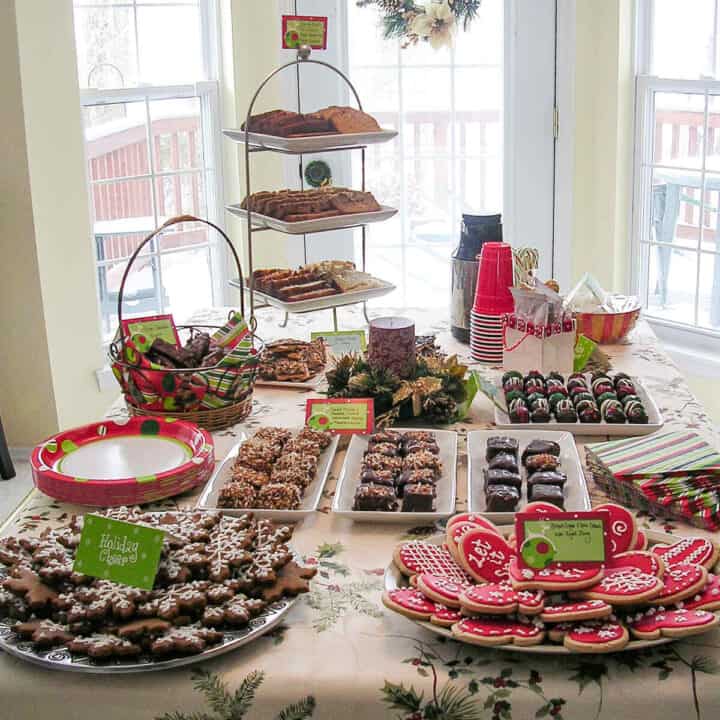
White wine seems harmless because it doesn't stain, but its acidity softens the enamel and leaves it vulnerable to stains from other foods and to sensitivity. That's why "white wine doesn't count" is one of the myths I hear most often in January.
And a golden rule: do not brush immediately after drinking wine. The enamel becomes acidified and brushing it at that moment is like sanding it. Wait 30 minutes and rinse with water first.
Sugar and seasonal sweets: the bacteria feast
Sugar doesn't cause cavities by itself: it feeds the bacteria that produce the acid that demineralizes your enamel. And in December, that bacterial buffet lasts for weeks.
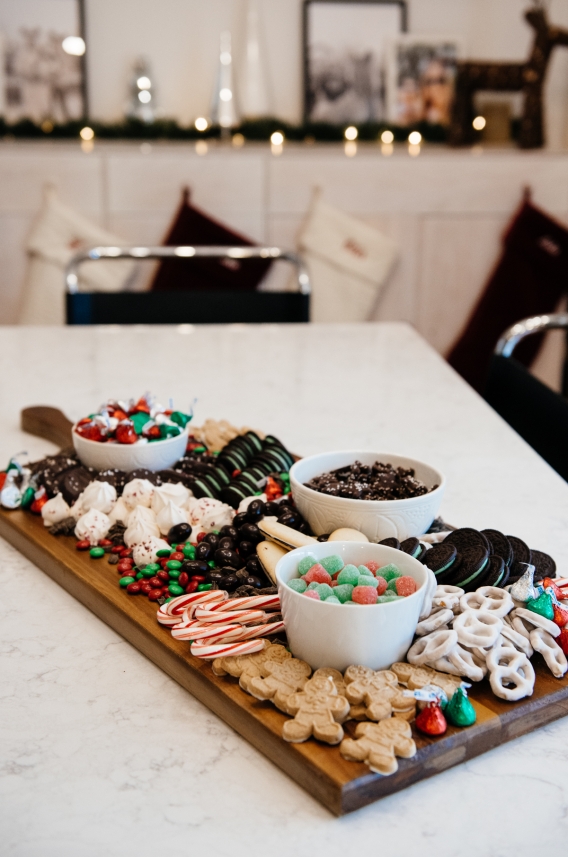
Not all sweets are equal. The worst are the sticky and slow-dissolving ones—candies, candied fruit, gummies, chocolate that melts between the teeth—because they remain in contact with the enamel for hours. A dessert that is eaten and rinsed with water is much less aggressive than a candy that lasts through the entire after-dinner conversation.
And beware of frequency: snacking on sweets five times a day is more damaging than eating them once at dinner. Each exposure triggers an acid attack of 20-30 minutes. At parties, your mouth can spend the entire day in acid mode.
If you notice bleeding gums when brushing after these weeks, don't attribute it to fatigue: it could be the start of periodontal disease that should be checked in time.
Alcohol and dry mouth: the risk no one sees
Alcohol reduces saliva production, and without saliva you lose your natural defense against cavities, erosion, and bad breath. It's the invisible damage of the holidays.
Saliva neutralizes acids, repairs enamel with minerals, and sweeps away food debris. When you drink, that protection decreases just when you need it most: with more sugar and more pigments circulating. That's why the combination of drink + sweet is more aggressive than either one separately.
The solution is almost ridiculously simple: a glass of water for every drink. It hydrates the mouth, dilutes acids, and washes away pigments. Your enamel notices the difference.
Your survival protocol for the holidays (5 steps)
In December we're more distracted, on vacation, and that translates into less attention to oral hygiene—I see it every January in the office. This 5-step protocol is designed to fail as little as possible even with a chaotic schedule:
- 1. Water after every drink or sweet: rinse and dilute. Ten seconds worth their weight in gold.
- 2. Don't brush within 30 minutes after acids: wine, sodas, citrus. Before that, only rinse.
- 3. Sugar-free gum when you finish: stimulates saliva and neutralizes acids. It doesn't replace brushing; it complements it.
- 4. Keep up your two brushings + flossing: even if you go to bed late. Floss is what saves the spaces between teeth, exactly where sugar hides.
- 5. If you use orthodontics, special rule: with clear aligners, remove them for anything other than water; with braces, the interdental brush is your best friend at long dinners.
Mental note: "water, wait, gum, brush, floss." With that, you get through December without bills in January.
January: the check-up that resets your smile
A professional cleaning in January removes tartar and stains accumulated during parties and detects any new cavities in time. It is, literally, the best New Year's resolution.
After weeks of pigments and sugar, a professional cleaning and evaluation restores the shine and, above all, finds in millimeters what would be full treatments in June.
Did stains remain that don't come out with cleaning? There are options depending on the type: if they're surface stains or white spots, ICON treatment minimizes them without preparing the tooth. And a fact that is rarely mentioned: resin veneers also stain with wine and coffee over the years—if you have them, January is the perfect month for their polishing and maintenance.
Frequently asked questions: teeth and parties
Yes: its tannins and chromogens stain the enamel, especially if it's eroded. Rinsing with water after the glass reduces the effect.
Not sugar alone: bacteria ferment it and produce acids that demineralize enamel. Frequency matters more than quantity.
No: wait 30 minutes. Wine acidifies the enamel and brushing immediately can wear it down; rinse with water first.
Yes: it reduces saliva production, your natural defense against cavities and bad breath. Alternate each drink with a glass of water.
Yes: it removes tartar and stains accumulated during parties and detects any new cavities in time. It's the best New Year's resolution.