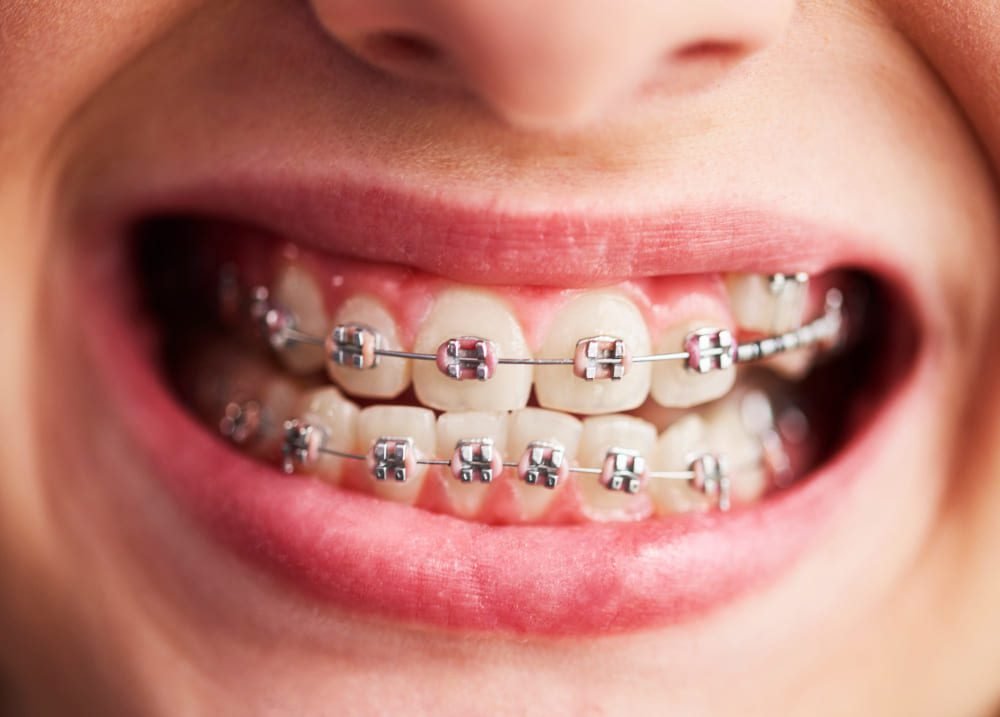
When someone asks me if “they’ll have teeth removed to get braces,” my honest answer is: not always. In orthodontics, the main issue is space. I usually put it this way: “an orthodontic problem is solved with space.” And we can create that space in two ways: IPR (very controlled interproximal reduction) or extractions. The choice isn’t random—it’s based on diagnosis and respecting the tooth’s biology.
1. Before deciding: how we check if there’s enough space (simple diagnosis)
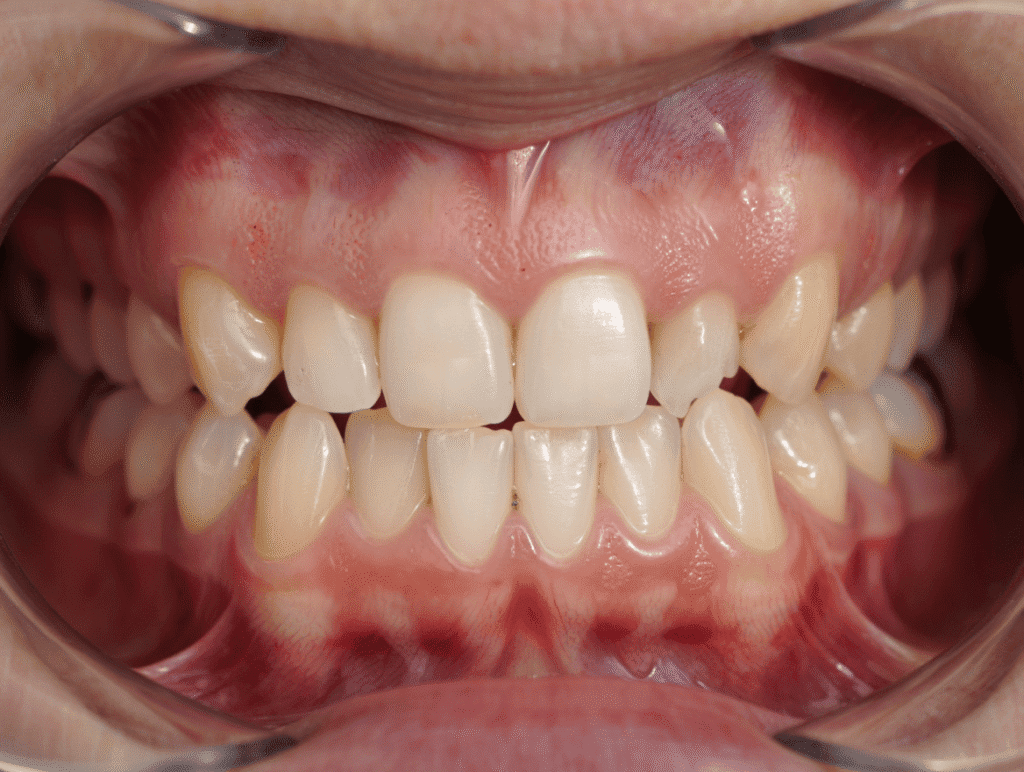
First, I evaluate your crowding (if the teeth are too close together, rotated, or overlapping), your bite, and your dental profile. With a clinical exam and studies (photos, models, X-rays), I calculate how many millimeters of space are missing.
- If only a little space is needed, I usually prefer IPR.
- If a lot is missing or the required IPR would compromise enamel health, then we discuss extractions.
In the appointment, I explain it simply: if the reduction needed goes beyond what’s safe, extractions it is. If not, IPR “works quite well in most cases.” That balance between space and biology is what defines the treatment plan.
2. IPR vs. extractions: two ways to create space—and when to choose each
IPR (interproximal reduction)
- It’s a millimetric polishing between teeth to create space without changing their visible shape.
- Advantages: preserves teeth, maintains bone volume, and is usually quick and well-tolerated.
- When do I use it? For mild to moderate crowding and when the enamel allows it.
Extractions:
- Removing one or more teeth (often premolars) to create the space the case requires.
- When do I recommend it? In cases of severe crowding, large discrepancies between tooth size and bone, or when IPR is no longer safe for your enamel.
- The key point: it’s not “routine”—it’s based on indication.
I work with both approaches. My goal isn’t to “never extract,” but to achieve the best outcome with long-term stability.
3. What about wisdom teeth? The do’s and don’ts
Third molars (wisdom teeth) are a whole different story. Sometimes they don’t cause any trouble; other times, they push, inflame, or make hygiene difficult. In many orthodontic plans, it’s advisable to remove them (especially if they’re impacted or there’s no space), but it’s not a universal rule. If your case calls for it, I’ll explain the timing and care—and you can check out this clear guide on when to monitor and when to extract your wisdom teeth: wisdom teeth – practical guide. amdentalstudiogdl.mx
4. Real cases: mild, moderate, and severe crowding (what I’d do in each)
- Mild (around 1–3 mm of space deficiency)
I usually go with IPR and adjustments using wires and elastics. It’s quick to explain, and patients rarely feel more than mild pressure. - Moderate (3–6 mm)
We evaluate whether IPR can provide enough space while preserving the enamel. Often it can; in other cases, I suggest a strategic extraction to achieve proper alignment and bite without forcing anything. - Severe (6 mm or more)
In these cases, based on experience, IPR isn’t enough. Here, extractions (often of premolars) allow us to create the “clean” space we need to align, level, and close properly—without compromising teeth or gums.
Throughout the treatment, I’ll keep reminding you why we make each decision. I prefer the plan to be understandable, not a “clinic mystery.”
5. Can extractions be avoided with aligners or low-friction systems? Realistic expectations
Aligners and certain bracket systems can reduce the need for extractions in some cases, but they don’t replace biological principles. If a case requires 6–8 mm of real space and the enamel cannot tolerate more IPR, there’s no shortcut: true space is necessary.
If you want to read more about when aligners are a good alternative to braces, check out our simple guide: dental aligners: the essentials. amdentalstudiogdl.mx
6. Risks, timing, and recovery (explained simply)
- IPR: it’s controlled polishing; you feel normal afterward. Maintain good hygiene, use fluoride, and attend regular checkups.
- Extractions: with local anesthesia, you walk out on your own. For the first couple of days, manage swelling with local cold, prescribed painkillers, a soft diet, and no smoking. I provide clear instructions to avoid discomfort and follow up with you at your checkup.
- Timing: whether or not extractions are done doesn’t solely determine the total duration; what matters is the case complexity and the biomechanics we choose.
7. When are braces the better choice over other options?
When I need precise control of roots, torque, and complex space closures, braces provide versatility (wires, elastics, mini-screws…). If you’re looking for discretion and your case allows it, aligners work very well (with disciplined use). If you’re at the point of comparing, you can check out our orthodontic services and schedule a consultation.
8. Conclusion: decide with information, not fear
Not all patients “have to get teeth removed” to wear braces. First diagnosis, then plan. If IPR respects your enamel, great. If not, extraction is the safe way to create the space your smile needs. My promise is to explain the why and what for of each step, in simple language and without surprises.

Best Choice
Quick FAQs
Do you always need extractions to get braces?
No. It depends on how many millimeters of space are missing and whether IPR is safe for your enamel.
Does IPR or extraction hurt?
IPR usually doesn’t hurt. Extraction is done with local anesthesia; afterward, you follow simple care instructions, and we monitor your recovery.
Do wisdom teeth always need to be removed?
No. We evaluate their position and symptoms. If they interfere or cause damage, they are removed; if not, we can monitor them. Check our wisdom teeth guide if you have specific questions. amdentalstudiogdl.mx