

First: not all mouthwashes are necessary and they don’t replace hygiene. When a patient asks me if “mouthwash can cause cancer,” I lay it out clearly: the major risk factors for oral and oropharyngeal cancer remain tobacco, alcohol consumption, and HPV. These are what matter most, according to reference guidelines.
Now, what about alcohol-containing mouthwash? The evidence is not conclusive to claim that it alone causes cancer. Some studies have questioned this link and classify it as a controversial topic, not a proven factor. My clinical stance is simple: use it only when indicated.
First of all: what does increase the risk of oral cancer (and what doesn’t)
- Yes: tobacco (any type), alcoholic beverages, certain infections like HPV, poor oral hygiene, and chronic plaque.
- Not proven: that alcohol-containing mouthwash, by itself and in people without other risks, causes cancer. (The strongest literature considers it unconfirmed as an independent factor).
Everyday translation: if you smoke or drink frequently, that’s where the focus should be. Mouthwash, over-the-counter and daily, does not fix those habits.
Alcohol-containing mouthwashes: what the evidence says today (microbiome ≠ cancer)
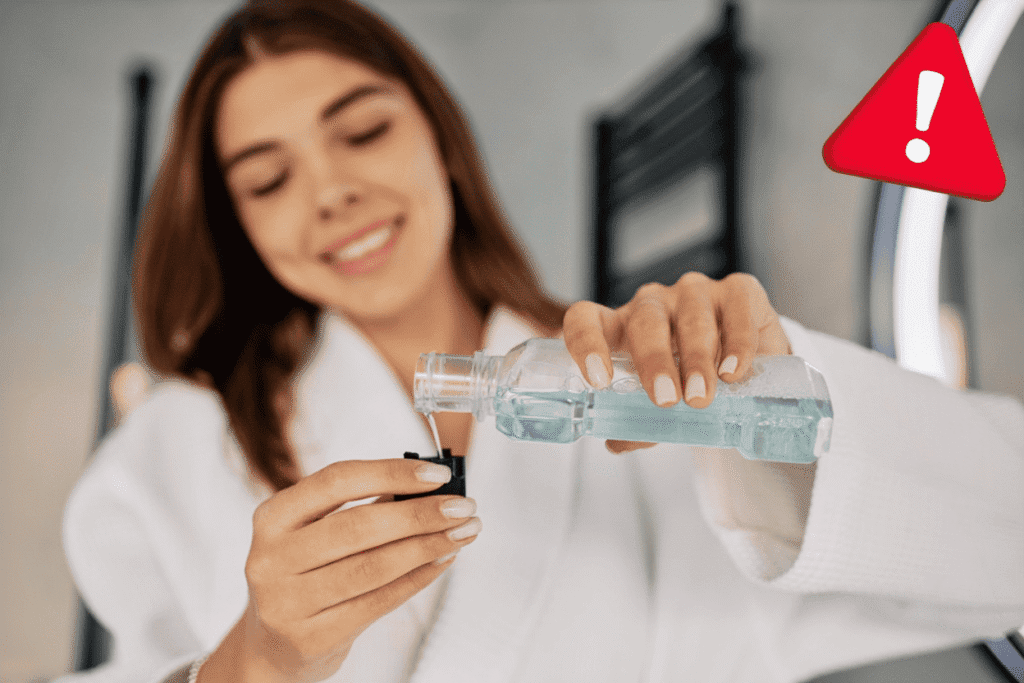
In 2024, a study was published evaluating daily use of an alcohol-based mouthwash for 3 months. What did it find? Changes in the oral microbiome with an increase in opportunistic bacteria Fusobacterium nucleatum and Streptococcus anginosus. Important: this is not the same as “causing cancer”; it’s a signal to avoid routine use without indication and prefer alternatives when possible.
The manufacturer, for its part, usually emphasizes that their mouthwashes have evidence of efficacy for plaque/gingivitis when used as a complement to brushing and flossing (not as a substitute). The key is correct and judicious use.
To choose wisely (with or without alcohol, therapeutic, daily use), here’s a practical guide to types of mouthwash from our clinic: types of mouthwash and rinses. amdentalstudiogdl.mx
To choose wisely (with or without alcohol, therapeutic, daily use), here’s a practical guide to types of mouthwash from our clinic: types of mouthwash and rinses. amdentalstudiogdl.mx
When do I actually recommend mouthwash? Real indications and duration
- Gingivitis/periodontitis: as an adjunct during active phases, for a limited and controlled period.
- Postoperative care: reduces bacterial load while healing.
- Xerostomia or recurrent caries: specific formulas (sometimes alcohol-free).
- Halitosis: only after addressing the cause (gums, tongue, plaque). Mouthwash doesn’t mask the problem.
Always under prescription and for a specific purpose, with a defined start and end date. “You can’t cover a problem with mouthwash”; we address the root first.
Halitosis: why mouthwash doesn’t mask the problem (habits that actually work)
Bad breath is addressed from within: proper brushing, interdental cleaning, and tongue cleaning. Often, the source is plaque between teeth or on the surface of the tongue that harbors bacteria. Here’s a very clear guide to check your daily technique: Are you sure you’re brushing correctly?.
And remember: mouthwash does not replace professional prophylaxis. Schedule your dental cleaning regularly; it’s the foundation for any rinse, if needed, to truly work.
Daily care: hygiene first, then decisions
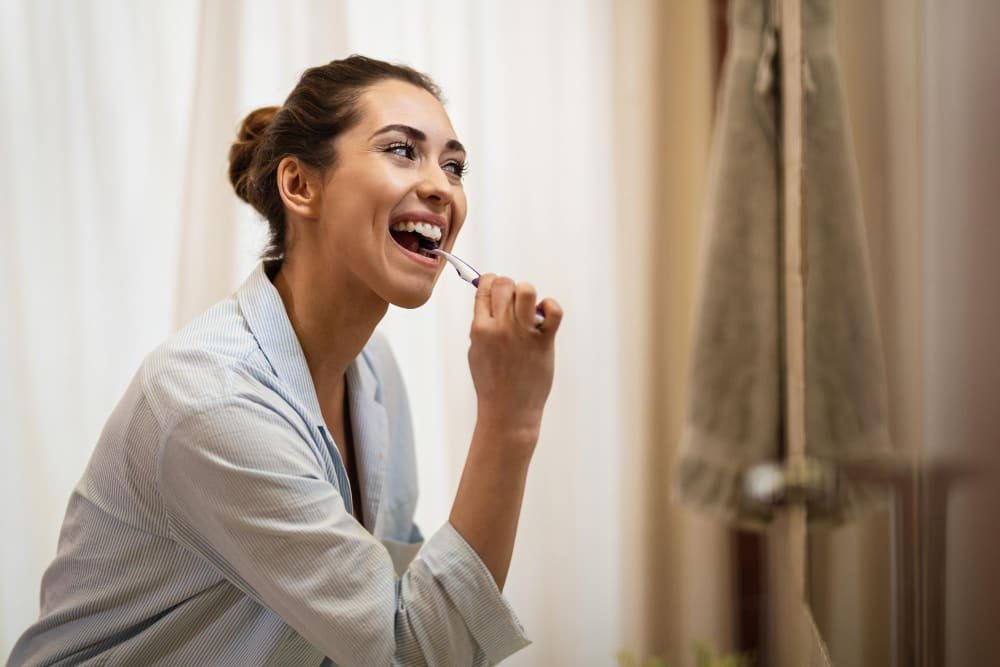
- Brush properly (teeth and tongue) and use floss/interdental brushes.
- If you have bleeding, inflammation, pain, or sores that don’t improve, see a professional; don’t cover it up with mouthwash.
- Mouthwash? Only with indication and a defined duration. If you’re using an alcohol-containing one without a prescription, it’s better to switch or stop until evaluated.
Here’s a video where we go over everything covered in the article. 😉
Conclusion: use mouthwash wisely and under guidance, not out of fear
The question “Can mouthwash give me cancer?” deserves a calm answer: the major risks lie elsewhere (tobacco, alcoholic beverages, HPV). The evidence on mouthwash does not prove it causes cancer on its own; it does remind us that daily use without reason isn’t advisable and that it’s better to individualize (often alcohol-free). In my practice, I put it this way: “educate yourself and know what you’re using”. If you have questions, come in and we’ll review it based on your case, not myths.
Quick FAQs
Does alcohol-containing mouthwash cause cancer?
The evidence is not conclusive. Prioritize quitting tobacco, moderating alcohol (beverages), and getting vaccinated/assessing HPV. If you need mouthwash, it should be prescribed.
Is it bad to use it daily without indication?
It can alter the microbiome and provides no benefits if there’s no issue to treat. Better not to use daily without a prescription.
Which mouthwash should I choose?
It depends on the goal (gingivitis, post-operative care, dry mouth…). Check out this guide and consult us: types of mouthwash. amdentalstudiogdl.mx