

1. **Unnecessary smile design:** when your teeth don’t actually need veneers

There are smiles that ask for less than we imagine. If your teeth are healthy, with a good size and intact enamel, there’s no need to “wrap them up” in veneers to see an aesthetic change. In my practice, I say it just like this: “if your teeth are healthy, they don’t need to be shaved down for veneers—period.” Sometimes the issue is just a yellowish tone or minor irregularities along the edges.
Signs that you don’t need veneers (yet)
- Signs that you don’t need veneers (yet)
- The tips have slight wear or micro-chips that can be fixed with polishing and a minimal amount of resin.
- There are no fractures, deep internal stains, or large gaps between teeth.
Risks of touching healthy teeth
When we grind down a healthy tooth, the chances of sensitivity, marginal leakage, and more frequent maintenance increase. Remember: every intervention starts a cycle of future repairs. What seems like a “quick aesthetic fix” today can turn into a pattern of replacements every few years.
Conservative alternatives and their logical order
- Hygiene + professional polishing. Before making any decision, cleaning and polishing enhance shine and reveal the true color.
- Professional whitening if the goal is brightness. It’s usually enough and keeps the door open for future touch-ups without drilling.
- Additive resins for edges or slight asymmetries. In many cases, I’ve achieved visible changes with “very minimal” resins, well-polished, that the patient doesn’t even feel.
- Reevaluation. After 2–3 weeks, once the color has stabilized, we can see if anything else is needed.
If your main goal is to improve the color, visit Teeth Whitening. If it’s about very subtle shape details, check out Dental Resin.
A tip for you: schedule your whitening after a cleaning and before considering any restorations. The final color helps you decide whether you need additional resin—or not.
2. Veneers for “alignment” = mistake: fix the position first
When the real issue is alignment or function, trying to “straighten” the smile with veneers usually ends badly: thick edges, excess volume, hard-to-clean areas, and inflamed gums. I sum it up like this: “trying to align with veneers is a recipe for thick edges and tricky hygiene.” Veneers do not move teeth or correct the bite; they only change the visible shape.
Why the disaster happens
- To “simulate” alignment, material is added in some areas and shaved down in others, creating steps and protrusions that trap plaque.
- Without addressing the **guide** (how the teeth glide when biting and speaking), the new surfaces collide where they shouldn’t → microfractures and debonding.
Correct route (conservative and sequential)
- Occlusal and positional diagnosis. Photos, bite analysis, and, if necessary, records to study contact points.
- Aligners/orthodontics to move teeth into place: you solve the cause instead of masking it.
- Esthetic reevaluation. Once the teeth are aligned, you may no longer want veneers—or ultrathin ones might be enough (if applicable).
- Maintenance. Guided hygiene, night guard when indicated, and regular check-ups.
How to know if your case requires orthodontics first
- Visible crowding, rotations, or noticeable “steps.”
- Teeth that “collide” when speaking or eating; uneven wear from malocclusion. maloclusión.
- Feeling that your bite “doesn’t fit” when closing.
Suggested interlink: for mild to moderate crowding with a discreet approach, the Invisalign system could work for you. If your case needs more traditional control, consider braces.
Typical case in the clinic: a patient wanted “veneers now” to align two rotated incisors. After a short Invisalign treatment, we polished the edges and added minimal resin to one corner. The result was more natural, hygienic, and stable than stacking porcelain.
3. Excessive wear: the irreversible path
Aggressive grinding opens doors that are hard to close later: sensitivity you didn’t have before, cavities due to exposed dentin, and in unfortunate cases, the need for a root canal. I’ll say it straight: “aggressive grinding is irreversible; the golden rule is to preserve the enamel.”
What “conservative” means in practice
- Plan using a mock-up and digital guides: we test the aesthetics before touching anything.
- Choose ultrathin veneers only when there’s a clear indication (color impossible to whiten, extensive fractures, or closing noticeable spaces when the bite allows it).
- Prioritize addition (adding) over reduction (removing). Modern dentistry favors minimally invasive techniques.
Key questions we ask before grinding
- Can the desired result be achieved with whitening and resin?
- Does the bite allow thinning without compromising strength?
- Does the patient understand the maintenance and lifespan of the chosen material?
To compare materials, indications, and procedures, check out what Porcelain Veneers are.
Clinical microvision: every tenth of a millimeter of enamel is worth gold. When we preserve enamel, bonding improves and the margins age better.
How is a conservative and predictable smile design planned?
Planning is the vaccine against the three mistakes. No rush, just method:
1. Diagnosis
- Intraoral and extraoral photos with color and texture references.
- Evaluation of gums (inflammation, biotype), occlusion, and habits (bruxism, breathing).
- Identification of goals: color, position, shape.
2. Mock-up and testing
- With the mock-up, the patient “tries on” their future smile without drilling.
- We adjust lengths, contours, and proportions before the final result.
- If after the mock-up you feel “too much volume,” we fix it there — not on your tooth.
3. Safe sequence
- Hygiene and periodontal health first.
- Alignment if there’s malposition (align before restoring).
- Color/shape: whitening, additive resin, or conservative veneers if clearly indicated.
- Guided placement, follow-up photos, and a maintenance plan.
4. Maintenance and longevity
- Scheduled check-ups, surface polishing, and floss/irrigation education.
- For bruxers: a night guard — it’s the insurance policy for your restorations.
When we plan this way, the result tends to be more conservative, more beautiful, and easier to maintain. In my experience, many patients decide not to grind their teeth once they see what can be achieved with whitening + resin after alignment.
Smart alternatives before drilling
- “My problem is the color” → Start with professional whitening. Recheck after 2–3 weeks once the color has stabilized and decide if you want further changes.
- “I have uneven edges/small gaps” → Additive resin carefully polished. It changes the “look” without touching the enamel.
- “They look crowded/I’ve noticed my bite changed” → Aligners/orthodontics first. Once everything is in place, decide if anything else is needed.
- “I feel sensitivity” → Evaluate recessions, biochemical factors, habits, and enamel thickness before thinking about veneers.
Clinical economy tip: fixing the cause first is usually cheaper in the medium term than “covering up” with restorations that will need to be redone later.
Hidden costs of a bad design (and how to avoid them)
The “quick and spectacular” approach can come with a backpack full of hidden costs:
- Time spent on adjustments and unexpected appointments.
- Repairs due to fractures or debonding.
- More frequent maintenance if the margins were left vulnerable.
- Discomfort (new sensitivity) and, in some cases, treatments like root canals that could have been avoided.
Post-treatment warning signs
- Teeth that feel bulkier when you run your tongue over them.
- Gums that bleed when flossing where they didn’t before.
- Sensitivity to hot or cold that wasn’t there previously.
- Clicking sounds or “weird contacts” when closing your bite.
How we prevent it
- Honest evaluation: I explain what you do and don’t need.
- Step-by-step plan and informed consent.
- Materials and techniques suited to your case: better a little done right than a lot done wrong.
First-person experience
Frequently Asked Questions
1) How do I know if whitening is better for me than veneers?
If you already like the shape and size of your teeth, start with whitening. It usually gives you that aesthetic boost with zero drilling. If later you want to adjust an edge, you can do it with a minimal amount of resin.
2) Can I “avoid” drilling with ultrathin veneers?
Many times, yes — but it depends on your bite, the available space, and your base color. If the color is very dark or there are significant rotations, orthodontics and/or minimal, well-planned preparation may be necessary.
3) Why do thick edges cause gum inflammation?
Because they make it easier for plaque to accumulate and harder for floss to pass through; the gums react with inflammation. Smooth, well-polished margins = happy gums.
4) How long does a good smile design last?
It depends on the material, habits (bruxism, diet), and maintenance. With proper follow-ups and polishing, well-indicated restorations age much better. The night guard, when needed, is key.
5) Is it normal to feel some sensitivity after whitening?
It can happen and is usually temporary. It’s managed with desensitizing agents and specific care guidelines. If sensitivity appears after veneers and persists, it’s best to check the margins and occlusion.
Get my free guide and an honest evaluation
If you’re interested, send us a message and I’ll share my free guide with you before scheduling your evaluation. That way, you’ll know whether your best route is whitening, orthodontics, resin, or if you’re truly a candidate for conservative veneers.
Best Choice
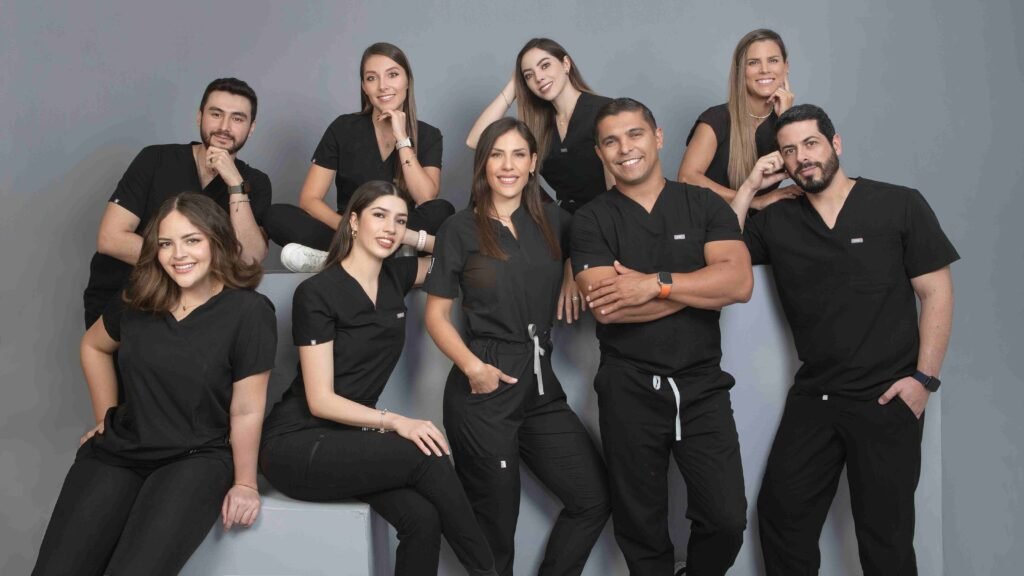
Would you like to know more about us?
Conclusion
The three worst smile designs —unnecessary, used for alignment, and with excessive wear— share one pattern: they’re decided quickly and planned poorly. The solution is clear: honest diagnosis, enamel preservation, and sequence (align → color → shape). When we treat the cause and use minimally invasive techniques, we achieve smiles that are more beautiful, healthier, and longer-lasting. And yes — many times, the change you’re looking for is just a whitening and two polishes away.