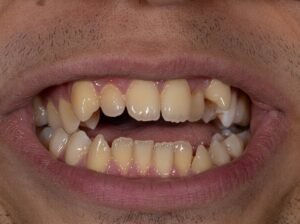
When someone comes to see me at AM Dental Studio here in Guadalajara, they almost always ask me the same question: "Doctor, be honest, is this going to last me a lifetime?". And the truth, based on my 10 years of seeing patients and what science says, the answer is clear: nothing in the mouth is eternal by magic! It all depends on how we take care of it together. It’s not just about placing a screw and forgetting about it; it’s about a partnership between your biology and our technology.
In this article, I want to tell you what actually happens with implants in the long term and how we ensure my patients continue to show off their smiles after a decade with the same confidence as day one.
The "eternal" myth: What happens after 10 years?
Sometimes we see advertisements promising that implants last forever, but we have to be realistic to avoid surprises. To understand this, imagine a luxury car: the chassis can remain pristine for decades, but the tires and brakes wear out from use. Something very similar happens in your mouth.
The implant is not the same as the crown
The implant is a medical-grade titanium screw that becomes part of your body through osseointegration. This process is incredible because the bone literally "hugs" the metal. If everything goes well and there are no infections, that screw can last 25 years, 30 years, or even stay with you for the rest of your life.
But the crown (the tooth you actually see) is the one that takes all the punishment. Think about how many times you chew a day: thousands of impacts, temperature changes, and constant pressure. It is normal that after 10 or 15 years, the crown needs an adjustment, a re-polishing, or for us to replace it with a new one so it continues to look aesthetic and functional. It’s natural maintenance for the wear and tear you give it!
What do the numbers and clinical reality say?
Global statistics are very good: between 95% and 98% of implants reach the 10-year mark in perfect condition. However, that 2% or 5% that fails usually teaches us great lessons. In my clinical experience, failures are almost never the fault of the material, but rather due to neglect in hygiene or small "details" that the patient let slide, such as ignoring slight bleeding. I always tell them at the clinic: "I provide the top-tier engineering and surgical precision, but you are responsible for keeping the engine well-oiled and running!".
What determines how long they last?
Here in Guadalajara, we have access to the best in the world, but to ensure your treatment isn't just "for a little while," we focus on three pillars that are law in our clinic and that make the difference between a 2-year success and a 20-year success.
Real Materials: Zirconia vs. Metal-Porcelain
Not all that glitters is gold, and not everything white is a high-quality material! At AM Dental Studio, we have left traditional metal-porcelain behind for high-demand cases. We prefer using Monolithic Zirconia. Why? Because it is a solid block that doesn't chip, it is extremely resistant to chewing forces, and, most importantly, it is "friendly" to your gums. Being biocompatible, the gum attaches to it better, preventing it from receding and revealing the metal or the edge of the implant over time.
The expert's hand and digital planning
Placing an implant is not just "screwing it in." If an implant is even a millimeter crooked or off-axis, it will receive forces it wasn't designed for and it will fail, even if it's the most expensive one on the market. That’s why, in every full rehabilitation, we use digital computer planning. This allows us to see your bone in 3D before touching your mouth and place the implant exactly where the bite will be perfect. If it's not well-aligned, the bone gets stressed, resorbs, and you could lose the implant in less than 5 years. Precision is everything!
The 3 "Silent Killers" of your implants
I have seen cases coming from other offices where implants that looked beautiful are lost out of nowhere. It is almost always because of these enemies that work without you realizing it:
- Peri-implantitis: This is the version of gum disease but for implants. The dangerous thing is that it doesn't hurt. By the time you realize something is wrong, the bone has already receded. We have already discussed this when talking about how to detect loose dental implants before it's too late.
- The dreaded bruxism: City stress makes us clench our teeth at night. If you grind, you are dealing a beating of hundreds of pounds of pressure to your prosthetics. Without a custom-made occlusal guard for sleeping, even the strongest zirconia can suffer micro-fractures or loosen the internal screws.
- Bad habits and "accidents": Using your teeth to open bags of chips, biting threads, or chewing ice is looking for trouble. Implants do not have a periodontal ligament (the tooth's natural "shock absorber"), so any blunt impact goes straight to the bone. Take care of them for what they are: a piece of high technology!
My plan for your smile to last decades
For your prosthetic to pass the 10-year mark as if it were nothing, cleaning isn't just advice—it’s a requirement. I always tell my patients: "An implant doesn't get cavities and won't develop a hole, but it does have a memory!". If you neglect it, your body will react by defending itself and rejecting the foreign object.
- Next-level cleaning: A regular toothbrush isn't enough. You need tools that reach those difficult corners, such as special Superfloss or, my favorite, the oral irrigator (that pressurized stream of water). It’s the only way to guarantee that no food remains trapped under the bridges.
- Seeing each other every six months (Without fail): Many patients disappear because they feel great and "nothing hurts." That is the most dangerous moment! During the check-up appointment, we don’t just clean; we use X-rays to verify that the bone is still there and check that the connection screws don't have any micro-movements. It’s a 30-minute visit that can save you from a surgery costing thousands of pesos in the future. It is pure preventive maintenance!
Conclusion: Is the investment worth it?
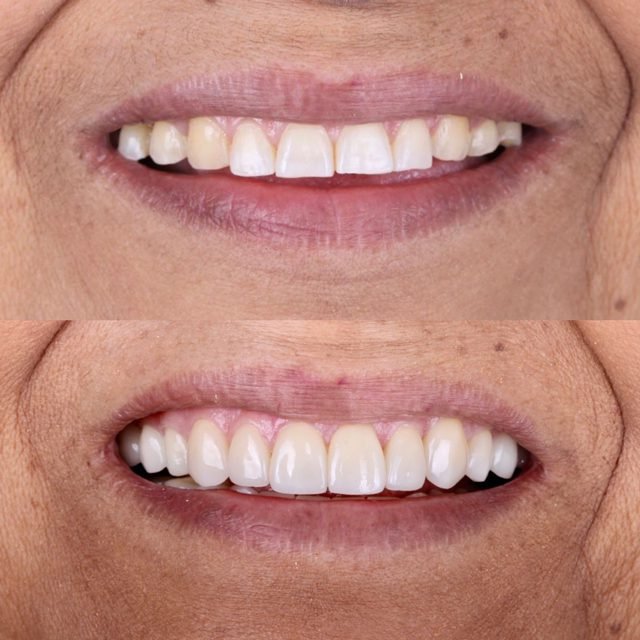
After 10 years of transforming lives and seeing how my patients regain the pleasure of eating a good cut of steak or laughing without covering their mouths, I’m telling you: of course it’s worth it! Implants are, by far, the best way to reclaim your health. They aren't "unbreakable," but if we treat them with the professional ethics that define us here in Guadalajara and you give them the love they deserve at home, they will stay with you for a very long time. If you feel your current treatment needs a "tune-up" or you simply want to start off on the right foot, come see us!
Summary Table: Longevity Strategy
| Concept | Clinical Reality | Key to Success |
|---|---|---|
| Implant Lifespan | 20 to 30+ years (potentially for life) | Healthy osseointegration and check-ups |
| Crown Lifespan | 10 to 15 years depending on wear | Use of Zirconia and dental guards |
| Required Hygiene | More demanding than natural teeth | Oral irrigator and special dental floss |
| Main Risk | Peri-implantitis (painless infection) | Semiannual follow-up appointments in GDL |
Questions I am always asked during consultation (FAQ)
1. Do they last a lifetime? The titanium screw is designed to last for decades, provided the bone remains healthy. However, the aesthetic part (the crown) may need a renewal every 10 or 15 years to keep looking perfect and fitting well with your other teeth.
2. Why does it feel like my implant is moving or why is there a little blood? Attention! An implant should never move. If you notice movement or blood when brushing, the screw might be loose or an infection could be starting. If we check it in time, there is usually a quick solution. Don't let it slide, because you could lose it.
3. Zirconia or porcelain? Which one is better for me? In most cases, zirconia is the winner. It is much harder to break, doesn't stain, and looks incredibly natural. It’s the best investment to avoid future fractures, especially if you have a strong bite.